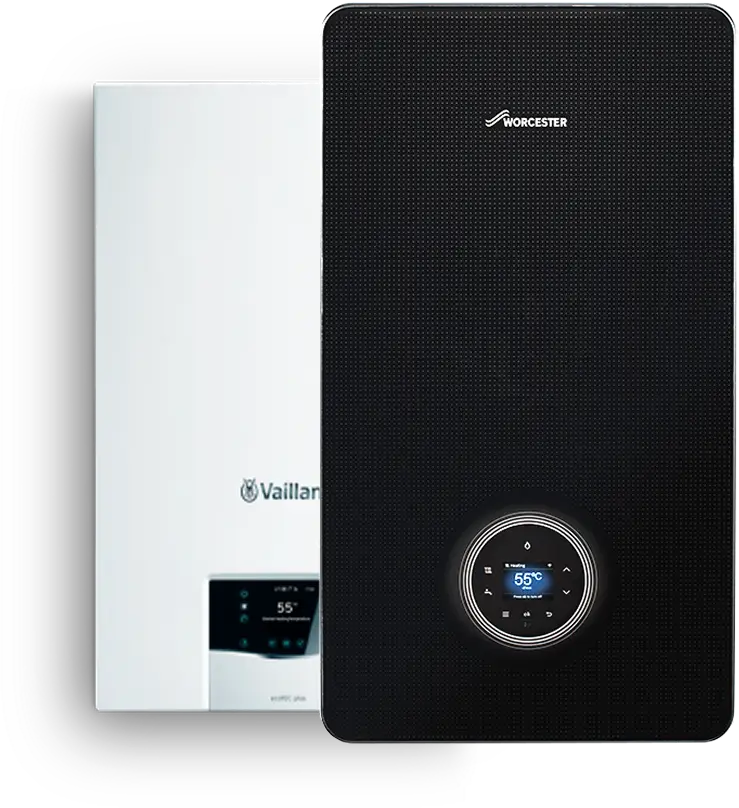
Understanding the Costs of Installing a New Boiler
Choosing the right boiler can feel overwhelming, but understanding boiler types, sizing and efficiency will help you make an informed decision. The right choice affects your comfort, hot water supply, and energy bills for the next 12–15 years.

Why you can trust our content
We understand that the boiler industry can be confusing, with plenty of outdated or misleading information. That’s why we rely only on trusted, proven sources to guide our advice and installations:

At a glance
Installing a new boiler represents a significant investment, but understanding the various costs involved helps you budget effectively and avoid unexpected surprises. Many homeowners focus solely on the boiler’s purchase price without considering installation complexity, additional components and system upgrades that may be required. The total cost of new boiler installation depends on numerous factors including the type of boiler you choose, your property’s existing setup, the location of the installation and any necessary modifications to your heating system. This comprehensive guide breaks down all the cost elements you need to consider when planning your boiler replacement.
What Factors Affect the Overall Cost?
The total cost to install a new boiler varies considerably based on several key factors. The type of boiler you select is the starting point – combi boilers typically cost less than system or regular boilers because they don’t require additional components like hot water cylinders. However, the brand, model and efficiency rating also influence the price, with premium manufacturers and higher-specification units commanding a premium.
Installation complexity plays a major role in determining final costs. A straightforward like-for-like replacement where a new boiler installation costs less than a more complex job involving relocating the boiler, changing boiler types or upgrading pipework. Your property’s existing infrastructure, such as whether you need a new flue, upgraded gas supply or additional radiators, will also impact the overall expense. The location of your boiler matters too – installations requiring work at height or in difficult-to-access areas generally cost more due to the additional time and equipment needed.
If you’d like a transparent breakdown of costs for your specific situation, request a detailed quote from our team.
How Much Do Different Boiler Types Cost?
Understanding the price differences between boiler types helps you make an informed decision. Combi boilers are generally the most economical option for smaller properties because they combine heating and hot water in one compact unit without requiring storage tanks or cylinders. For a quality combi boiler from a reputable manufacturer, you might expect the unit itself to range from mid to high prices depending on output and features.
System boilers cost slightly more because they require a separate hot water cylinder, though they don’t need a cold water tank. These are ideal for homes with multiple bathrooms where simultaneous hot water demand is common. Regular boilers tend to be at the higher end of the price spectrum since they require both a cylinder and a cold water tank, plus more complex installation work.
The boiler itself is only part of the equation. When budgeting, remember that installation labour, new controls, flue systems, pipework modifications and system treatments all contribute to the final cost for new boiler installation.
What Installation Factors Add to Costs?
Several installation scenarios can increase the overall expense of your new boiler. Relocating your boiler to a different room or wall adds significant costs due to the additional pipework, gas supply extension and new flue requirements. If you’re moving from a floor-standing boiler to a wall-mounted unit, structural work may be needed to ensure the wall can support the weight.
Flue type and positioning also affect costs. A standard horizontal flue that vents through a nearby external wall is the most straightforward and economical option. However, if your boiler needs to be positioned on an internal wall, you’ll require a vertical flue that extends through the roof, which involves more labour and materials. Properties in conservation areas may have restrictions on flue positioning, potentially requiring more expensive solutions.
Converting between boiler types – such as changing from a conventional system to a combi boiler installation in Surbiton – adds complexity and cost. This type of conversion involves removing tanks and cylinders, modifying pipework and potentially upgrading radiators to work efficiently with the new system.
Which fuel powers your boiler?
Mains Gas
LPG
It just takes 60 Seconds
And then you can book a free consultation
Are There Hidden Costs to Watch Out For?
When planning your boiler installation budget, be aware of potential additional costs that aren’t always immediately obvious. If your existing system hasn’t been properly maintained, you may need a powerflush to remove sludge and debris before installing the new boiler. This protects your investment by ensuring your heating system is clean and efficient from day one.
Upgrading your heating controls is highly recommended when installing a new boiler. While basic controls are usually included, smart thermostats and zoning controls cost extra but deliver better efficiency and convenience. Some installations may require upgraded gas pipework if the existing supply is inadequate, particularly when installing a larger boiler or if current pipes don’t meet modern standards.
Building regulations compliance is mandatory for all new boiler installations, and while Gas Safe registered engineers include this in their service, any associated inspections or certificates should be confirmed in your quote. If your property requires scaffolding access for external flue work or asbestos removal from around an old boiler, these specialist services will add to the final bill.
How Can You Budget for a New Boiler?
Planning your boiler investment doesn’t have to be overwhelming. Start by obtaining detailed quotes from multiple reputable installers, ensuring each quote itemises all costs including the boiler, installation labour, materials, controls and any system modifications. This allows you to compare like-for-like and understand exactly what you’re paying for.
Consider timing your installation strategically. Boiler fitters in Esher tend to be busiest during autumn and winter when breakdowns peak. Planning your replacement during spring or summer may offer more flexibility with scheduling and potentially better availability.
Many homeowners prefer to spread the cost rather than paying a lump sum. Boiler finance options allow you to install a quality system without draining your savings, with monthly payment plans available to suit different budgets. This approach means you can upgrade to a more efficient model that saves money on energy bills while managing the initial investment comfortably.
Speak to our team about flexible boiler finance in Epsom to make your boiler upgrade more affordable.
What’s Included in a Professional Installation?
Understanding what should be included in your installation quote helps you assess value and avoid paying for items that should be standard. A comprehensive installation should include removal and disposal of your old boiler, installation of the new unit with all necessary fittings and connections, installation of a new flue if required, fitting of new controls and thermostats, system flushing or treatment, testing and commissioning of the complete system, and certification to confirm compliance with Building Regulations.
Your installer should also provide a full demonstration of how to operate your new boiler and controls, along with all manufacturer documentation and warranty information. Gas Safe registered engineers must issue a Building Regulations Compliance Certificate, which you’ll need for your property records and any future sale.
Reputable installers offer aftercare support, so you can contact them with any questions after installation. This ongoing relationship is valuable, particularly when it comes to annual servicing to maintain your warranty and ensure continued efficient operation.
Why Do Costs Vary Between Installers?
You’ll likely receive different quotes from various installers, and while price is important, it shouldn’t be the only factor in your decision. Variations often reflect differences in experience, qualifications, insurance coverage and the quality of materials used. Very low quotes may indicate corner-cutting, unqualified labour or cheap components that won’t stand the test of time.
Established companies with strong reputations typically charge more because they employ experienced engineers, use quality parts, provide comprehensive warranties and maintain proper insurance. They’re also more likely to still be in business years later if you need support or warranty claims.
Check what each quote includes carefully. Some installers offer package prices that include everything, while others quote basic installation with extras priced separately. Ensure you’re comparing complete installations including all necessary components, certifications and aftercare.
Final Thoughts
Understanding boiler installation costs allows you to budget realistically and make informed decisions about your heating system. While the initial investment may seem substantial, a quality installation by experienced professionals delivers reliable heating, lower energy bills and peace of mind for many years. By considering all cost factors upfront and choosing the right boiler and installer for your needs, you’ll ensure excellent value from your investment.
Contact boilerPRO today for a transparent, detailed quote on your new boiler installation. Our experienced team will assess your property and provide fixed-price options with no hidden costs, serving homes throughout Epsom and the surrounding area.
Related articles
Which fuel powers your boiler?
Mains Gas
LPG
At a glance
Installing a new boiler represents a significant investment, but understanding the various costs involved helps you budget effectively and avoid unexpected surprises. Many homeowners focus solely on the boiler’s purchase price without considering installation complexity, additional components and system upgrades that may be required. The total cost of new boiler installation depends on numerous factors including the type of boiler you choose, your property’s existing setup, the location of the installation and any necessary modifications to your heating system. This comprehensive guide breaks down all the cost elements you need to consider when planning your boiler replacement.
What Factors Affect the Overall Cost?
The total cost to install a new boiler varies considerably based on several key factors. The type of boiler you select is the starting point – combi boilers typically cost less than system or regular boilers because they don’t require additional components like hot water cylinders. However, the brand, model and efficiency rating also influence the price, with premium manufacturers and higher-specification units commanding a premium.
Installation complexity plays a major role in determining final costs. A straightforward like-for-like replacement where a new boiler installation costs less than a more complex job involving relocating the boiler, changing boiler types or upgrading pipework. Your property’s existing infrastructure, such as whether you need a new flue, upgraded gas supply or additional radiators, will also impact the overall expense. The location of your boiler matters too – installations requiring work at height or in difficult-to-access areas generally cost more due to the additional time and equipment needed.
If you’d like a transparent breakdown of costs for your specific situation, request a detailed quote from our team.
How Much Do Different Boiler Types Cost?
Understanding the price differences between boiler types helps you make an informed decision. Combi boilers are generally the most economical option for smaller properties because they combine heating and hot water in one compact unit without requiring storage tanks or cylinders. For a quality combi boiler from a reputable manufacturer, you might expect the unit itself to range from mid to high prices depending on output and features.
System boilers cost slightly more because they require a separate hot water cylinder, though they don’t need a cold water tank. These are ideal for homes with multiple bathrooms where simultaneous hot water demand is common. Regular boilers tend to be at the higher end of the price spectrum since they require both a cylinder and a cold water tank, plus more complex installation work.
The boiler itself is only part of the equation. When budgeting, remember that installation labour, new controls, flue systems, pipework modifications and system treatments all contribute to the final cost for new boiler installation.
What Installation Factors Add to Costs?
Several installation scenarios can increase the overall expense of your new boiler. Relocating your boiler to a different room or wall adds significant costs due to the additional pipework, gas supply extension and new flue requirements. If you’re moving from a floor-standing boiler to a wall-mounted unit, structural work may be needed to ensure the wall can support the weight.
Flue type and positioning also affect costs. A standard horizontal flue that vents through a nearby external wall is the most straightforward and economical option. However, if your boiler needs to be positioned on an internal wall, you’ll require a vertical flue that extends through the roof, which involves more labour and materials. Properties in conservation areas may have restrictions on flue positioning, potentially requiring more expensive solutions.
Converting between boiler types – such as changing from a conventional system to a combi boiler installation in Surbiton – adds complexity and cost. This type of conversion involves removing tanks and cylinders, modifying pipework and potentially upgrading radiators to work efficiently with the new system.
Which fuel powers your boiler?
Mains Gas
LPG
It just takes 60 Seconds
And then you can book a free consultation
Are There Hidden Costs to Watch Out For?
When planning your boiler installation budget, be aware of potential additional costs that aren’t always immediately obvious. If your existing system hasn’t been properly maintained, you may need a powerflush to remove sludge and debris before installing the new boiler. This protects your investment by ensuring your heating system is clean and efficient from day one.
Upgrading your heating controls is highly recommended when installing a new boiler. While basic controls are usually included, smart thermostats and zoning controls cost extra but deliver better efficiency and convenience. Some installations may require upgraded gas pipework if the existing supply is inadequate, particularly when installing a larger boiler or if current pipes don’t meet modern standards.
Building regulations compliance is mandatory for all new boiler installations, and while Gas Safe registered engineers include this in their service, any associated inspections or certificates should be confirmed in your quote. If your property requires scaffolding access for external flue work or asbestos removal from around an old boiler, these specialist services will add to the final bill.
How Can You Budget for a New Boiler?
Planning your boiler investment doesn’t have to be overwhelming. Start by obtaining detailed quotes from multiple reputable installers, ensuring each quote itemises all costs including the boiler, installation labour, materials, controls and any system modifications. This allows you to compare like-for-like and understand exactly what you’re paying for.
Consider timing your installation strategically. Boiler fitters in Esher tend to be busiest during autumn and winter when breakdowns peak. Planning your replacement during spring or summer may offer more flexibility with scheduling and potentially better availability.
Many homeowners prefer to spread the cost rather than paying a lump sum. Boiler finance options allow you to install a quality system without draining your savings, with monthly payment plans available to suit different budgets. This approach means you can upgrade to a more efficient model that saves money on energy bills while managing the initial investment comfortably.
Speak to our team about flexible boiler finance in Epsom to make your boiler upgrade more affordable.
What’s Included in a Professional Installation?
Understanding what should be included in your installation quote helps you assess value and avoid paying for items that should be standard. A comprehensive installation should include removal and disposal of your old boiler, installation of the new unit with all necessary fittings and connections, installation of a new flue if required, fitting of new controls and thermostats, system flushing or treatment, testing and commissioning of the complete system, and certification to confirm compliance with Building Regulations.
Your installer should also provide a full demonstration of how to operate your new boiler and controls, along with all manufacturer documentation and warranty information. Gas Safe registered engineers must issue a Building Regulations Compliance Certificate, which you’ll need for your property records and any future sale.
Reputable installers offer aftercare support, so you can contact them with any questions after installation. This ongoing relationship is valuable, particularly when it comes to annual servicing to maintain your warranty and ensure continued efficient operation.
Why Do Costs Vary Between Installers?
You’ll likely receive different quotes from various installers, and while price is important, it shouldn’t be the only factor in your decision. Variations often reflect differences in experience, qualifications, insurance coverage and the quality of materials used. Very low quotes may indicate corner-cutting, unqualified labour or cheap components that won’t stand the test of time.
Established companies with strong reputations typically charge more because they employ experienced engineers, use quality parts, provide comprehensive warranties and maintain proper insurance. They’re also more likely to still be in business years later if you need support or warranty claims.
Check what each quote includes carefully. Some installers offer package prices that include everything, while others quote basic installation with extras priced separately. Ensure you’re comparing complete installations including all necessary components, certifications and aftercare.
Final Thoughts
Understanding boiler installation costs allows you to budget realistically and make informed decisions about your heating system. While the initial investment may seem substantial, a quality installation by experienced professionals delivers reliable heating, lower energy bills and peace of mind for many years. By considering all cost factors upfront and choosing the right boiler and installer for your needs, you’ll ensure excellent value from your investment.
Contact boilerPRO today for a transparent, detailed quote on your new boiler installation. Our experienced team will assess your property and provide fixed-price options with no hidden costs, serving homes throughout Epsom and the surrounding area.