How to Choose the Right Boiler for Your Home
Choosing the right boiler is essential for maintaining a warm, comfortable and energy-efficient home. With various models and specifications available, understanding your property’s heating and hot water requirements will help you select a system that delivers reliable performance and long-term value.

Why you can trust our content
We understand that the boiler industry can be confusing, with plenty of outdated or misleading information. That’s why we rely only on trusted, proven sources to guide our advice and installations:

At a glance
Choosing the right boiler for your home can feel overwhelming, especially with the variety of models and technical specifications available. The decision impacts not only your comfort and hot water supply but also your energy bills for the next 12 to 15 years. Whether you’re replacing an old system or installing heating for the first time, understanding the different boiler types, sizing requirements and efficiency factors will help you make an informed choice. This guide walks you through the essential considerations to ensure you select a boiler that meets your household’s specific needs.
What Are the Different Types of Boilers?
The first step in choosing the right boiler is understanding the three main types available: combi, system and regular boilers. Each has distinct characteristics that make it suitable for different property types and household requirements.
Combi boilers heat water on demand directly from the mains, eliminating the need for a separate hot water cylinder or cold water tank. They’re compact, space-saving and ideal for smaller homes with one bathroom. System boilers store hot water in a cylinder but don’t require a cold water tank, making them suitable for homes with moderate hot water demand and multiple bathrooms. Regular boilers, sometimes called conventional boilers, require both a hot water cylinder and a cold water tank, making them best suited for larger properties with high hot water usage and existing traditional heating systems.
If you’d like professional advice on which boiler type suits your property in Surrey, contact our team for a tailored consultation.
How Do You Calculate the Right Boiler Size?
Boiler size isn’t about physical dimensions – it refers to the output capacity measured in kilowatts (kW). Choosing the correct output is crucial for efficiency and performance. A boiler that’s too small will struggle to heat your home adequately, while an oversized unit will cycle on and off frequently, wasting energy and increasing wear.
The right size depends on several factors including the number of radiators, the size of your property, insulation levels and how many bathrooms you have. For a typical three-bedroom home with one bathroom, a combi boiler installation with an output of 28-30kW is usually sufficient. Larger properties with multiple bathrooms may need 35kW or more. A professional heating engineer will perform a heat loss calculation to determine the precise output your property requires.
Should You Prioritise Energy Efficiency Ratings?
Energy efficiency should be a top consideration when selecting a new boiler. All modern boilers sold in the UK must be condensing models with a minimum efficiency rating of 92%, but some models achieve even higher performance levels. Look for boilers with an ErP A rating, which indicates they meet the highest efficiency standards.
Higher efficiency translates directly to lower running costs. While the most efficient models may cost slightly more upfront, the savings on your energy bills will offset this over time. Modern boilers also produce fewer carbon emissions, contributing to a reduced environmental footprint. When comparing models, check the Seasonal Efficiency (ErP) rating rather than just the gross efficiency, as this gives a more accurate picture of real-world performance throughout the year.
| Boiler Type | Best Suited For | Hot Water Storage | Space Requirements |
|---|---|---|---|
| Combi | Smaller homes, 1 bathroom | No storage – instant hot water | Minimal – compact unit only |
| System | Medium homes, 2 bathrooms | Cylinder required | Moderate – cylinder space needed |
| Regular | Larger homes, 3+ bathrooms | Cylinder and tank required | Significant – cylinder and loft tank |
Which fuel powers your boiler?
Mains Gas
LPG
It just takes 60 Seconds
And then you can book a free consultation
What Features Should You Look For?
Modern boilers come with various features that enhance convenience, efficiency and control. Digital displays make it easy to monitor performance and adjust settings. Frost protection prevents pipes from freezing during cold snaps, while built-in diagnostics help engineers identify faults quickly if problems arise.
Compatibility with smart thermostats is increasingly important. A smart thermostat allows you to control your heating remotely, set precise schedules and monitor energy usage through a smartphone app. Some boilers also offer modulation capabilities, adjusting their output to match demand rather than simply switching on and off, which improves efficiency and comfort.
Which Brands Are Most Reliable?
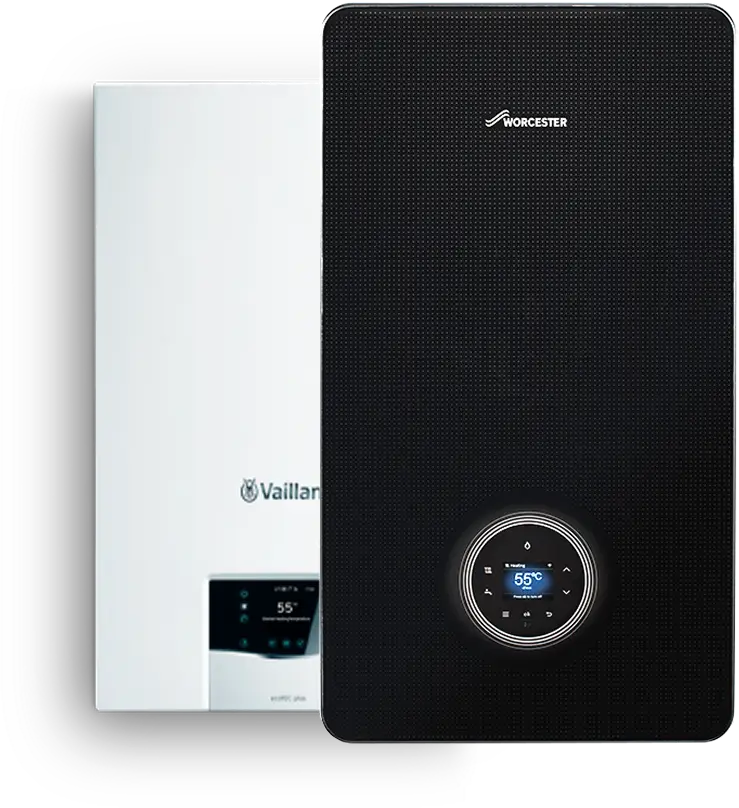
Choosing a reputable manufacturer can make a significant difference in long-term reliability and performance. Worcester Bosch is renowned for build quality and comprehensive warranties, making them a popular choice for homeowners seeking dependability. Vaillant boilers are known for efficiency and innovative features, while Vaillant offers excellent value without compromising on quality.
The best brand for your home depends on your specific requirements, budget and the expertise of your installer. A boiler fitter in Cobham will typically work with multiple manufacturers and can recommend models they know perform well and have readily available parts should servicing or repairs be needed.
How Important Is the Warranty?
Warranty coverage is a crucial factor that’s often overlooked. Most manufacturers offer warranties ranging from two to ten years, with longer warranties typically available on premium models or when installed by accredited engineers. A comprehensive warranty provides peace of mind and protects you from unexpected repair costs during the coverage period.
Check what’s included in the warranty – some cover parts only, while others include labour costs too. Extended warranties may require annual servicing by a Gas Safe registered engineer to remain valid, so factor this into your ongoing costs. It’s worth investing in a model with a longer warranty, as it often reflects the manufacturer’s confidence in their product’s reliability.
Speak to our Gas Safe registered engineers to discuss warranty options and servicing plans that keep your boiler protected.
What About Installation Costs?
While the boiler itself is the largest expense, installation costs can vary significantly depending on the complexity of the work. A straightforward swap where a new combi boiler replaces an existing combi in the same location is typically the most affordable option. However, if you’re changing boiler types, moving the boiler to a different location, or dealing with an old system that requires pipework upgrades, costs will increase.
Additional factors affecting installation costs include flue requirements, whether you need a new cylinder, upgrades to the heating system and any necessary building work. Always request a detailed quote that breaks down all costs before proceeding. Reputable installers will conduct a thorough survey and provide transparent pricing with no hidden charges.
Do You Need to Consider Future Proofing?
When choosing a boiler, think about your future needs as well as current requirements. If you’re planning a loft conversion or extension that will add radiators, ensure your boiler has sufficient capacity to handle the additional load. Similarly, if your family is growing, consider whether your hot water demand might increase.
Hydrogen-ready boilers are also becoming available, designed to run on natural gas now but capable of being converted to hydrogen fuel in the future as the UK’s heating infrastructure evolves. While hydrogen heating is still several years away, choosing a hydrogen-ready model could provide longer-term flexibility and avoid the need for premature replacement.
Final Thoughts
Choosing the right boiler requires careful consideration of your property size, hot water needs, budget and long-term plans. By understanding the different types available, prioritising efficiency and selecting a reputable brand with strong warranty coverage, you’ll ensure years of reliable, cost-effective heating. Taking time to make an informed decision now will pay dividends in comfort and savings throughout your boiler’s lifespan.
Contact boilerPRO in Kingston-upon-Thames for expert advice on selecting the perfect boiler for your home. Our team will assess your requirements and recommend the most suitable system with transparent pricing.
Related articles

Which fuel powers your boiler?
Mains Gas
LPG
At a glance
Choosing the right boiler for your home can feel overwhelming, especially with the variety of models and technical specifications available. The decision impacts not only your comfort and hot water supply but also your energy bills for the next 12 to 15 years. Whether you’re replacing an old system or installing heating for the first time, understanding the different boiler types, sizing requirements and efficiency factors will help you make an informed choice. This guide walks you through the essential considerations to ensure you select a boiler that meets your household’s specific needs.
What Are the Different Types of Boilers?
The first step in choosing the right boiler is understanding the three main types available: combi, system and regular boilers. Each has distinct characteristics that make it suitable for different property types and household requirements.
Combi boilers heat water on demand directly from the mains, eliminating the need for a separate hot water cylinder or cold water tank. They’re compact, space-saving and ideal for smaller homes with one bathroom. System boilers store hot water in a cylinder but don’t require a cold water tank, making them suitable for homes with moderate hot water demand and multiple bathrooms. Regular boilers, sometimes called conventional boilers, require both a hot water cylinder and a cold water tank, making them best suited for larger properties with high hot water usage and existing traditional heating systems.
If you’d like professional advice on which boiler type suits your property in Surrey, contact our team for a tailored consultation.
How Do You Calculate the Right Boiler Size?
Boiler size isn’t about physical dimensions – it refers to the output capacity measured in kilowatts (kW). Choosing the correct output is crucial for efficiency and performance. A boiler that’s too small will struggle to heat your home adequately, while an oversized unit will cycle on and off frequently, wasting energy and increasing wear.
The right size depends on several factors including the number of radiators, the size of your property, insulation levels and how many bathrooms you have. For a typical three-bedroom home with one bathroom, a combi boiler installation with an output of 28-30kW is usually sufficient. Larger properties with multiple bathrooms may need 35kW or more. A professional heating engineer will perform a heat loss calculation to determine the precise output your property requires.
Should You Prioritise Energy Efficiency Ratings?
Energy efficiency should be a top consideration when selecting a new boiler. All modern boilers sold in the UK must be condensing models with a minimum efficiency rating of 92%, but some models achieve even higher performance levels. Look for boilers with an ErP A rating, which indicates they meet the highest efficiency standards.
Higher efficiency translates directly to lower running costs. While the most efficient models may cost slightly more upfront, the savings on your energy bills will offset this over time. Modern boilers also produce fewer carbon emissions, contributing to a reduced environmental footprint. When comparing models, check the Seasonal Efficiency (ErP) rating rather than just the gross efficiency, as this gives a more accurate picture of real-world performance throughout the year.
| Boiler Type | Best Suited For | Hot Water Storage | Space Requirements |
|---|---|---|---|
| Combi | Smaller homes, 1 bathroom | No storage – instant hot water | Minimal – compact unit only |
| System | Medium homes, 2 bathrooms | Cylinder required | Moderate – cylinder space needed |
| Regular | Larger homes, 3+ bathrooms | Cylinder and tank required | Significant – cylinder and loft tank |
Which fuel powers your boiler?
Mains Gas
LPG
It just takes 60 Seconds
And then you can book a free consultation
What Features Should You Look For?
Modern boilers come with various features that enhance convenience, efficiency and control. Digital displays make it easy to monitor performance and adjust settings. Frost protection prevents pipes from freezing during cold snaps, while built-in diagnostics help engineers identify faults quickly if problems arise.
Compatibility with smart thermostats is increasingly important. A smart thermostat allows you to control your heating remotely, set precise schedules and monitor energy usage through a smartphone app. Some boilers also offer modulation capabilities, adjusting their output to match demand rather than simply switching on and off, which improves efficiency and comfort.
Which Brands Are Most Reliable?
Choosing a reputable manufacturer can make a significant difference in long-term reliability and performance. Worcester Bosch is renowned for build quality and comprehensive warranties, making them a popular choice for homeowners seeking dependability. Vaillant boilers are known for efficiency and innovative features, while Vaillant offers excellent value without compromising on quality.
The best brand for your home depends on your specific requirements, budget and the expertise of your installer. A boiler fitter in Cobham will typically work with multiple manufacturers and can recommend models they know perform well and have readily available parts should servicing or repairs be needed.
How Important Is the Warranty?
Warranty coverage is a crucial factor that’s often overlooked. Most manufacturers offer warranties ranging from two to ten years, with longer warranties typically available on premium models or when installed by accredited engineers. A comprehensive warranty provides peace of mind and protects you from unexpected repair costs during the coverage period.
Check what’s included in the warranty – some cover parts only, while others include labour costs too. Extended warranties may require annual servicing by a Gas Safe registered engineer to remain valid, so factor this into your ongoing costs. It’s worth investing in a model with a longer warranty, as it often reflects the manufacturer’s confidence in their product’s reliability.
Speak to our Gas Safe registered engineers to discuss warranty options and servicing plans that keep your boiler protected.
What About Installation Costs?
While the boiler itself is the largest expense, installation costs can vary significantly depending on the complexity of the work. A straightforward swap where a new combi boiler replaces an existing combi in the same location is typically the most affordable option. However, if you’re changing boiler types, moving the boiler to a different location, or dealing with an old system that requires pipework upgrades, costs will increase.
Additional factors affecting installation costs include flue requirements, whether you need a new cylinder, upgrades to the heating system and any necessary building work. Always request a detailed quote that breaks down all costs before proceeding. Reputable installers will conduct a thorough survey and provide transparent pricing with no hidden charges.
Do You Need to Consider Future Proofing?
When choosing a boiler, think about your future needs as well as current requirements. If you’re planning a loft conversion or extension that will add radiators, ensure your boiler has sufficient capacity to handle the additional load. Similarly, if your family is growing, consider whether your hot water demand might increase.
Hydrogen-ready boilers are also becoming available, designed to run on natural gas now but capable of being converted to hydrogen fuel in the future as the UK’s heating infrastructure evolves. While hydrogen heating is still several years away, choosing a hydrogen-ready model could provide longer-term flexibility and avoid the need for premature replacement.
Final Thoughts
Choosing the right boiler requires careful consideration of your property size, hot water needs, budget and long-term plans. By understanding the different types available, prioritising efficiency and selecting a reputable brand with strong warranty coverage, you’ll ensure years of reliable, cost-effective heating. Taking time to make an informed decision now will pay dividends in comfort and savings throughout your boiler’s lifespan.
Contact boilerPRO in Kingston-upon-Thames for expert advice on selecting the perfect boiler for your home. Our team will assess your requirements and recommend the most suitable system with transparent pricing.