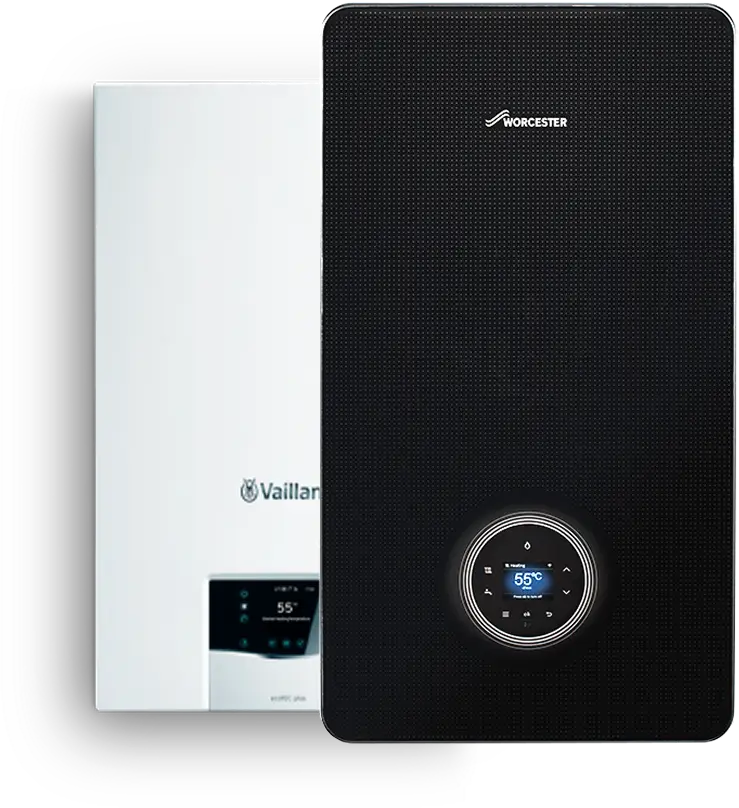
Comparing Condensing and Non Condensing Boilers
Condensing boilers are highly efficient, saving energy and reducing emissions compared to older non-condensing models. Upgrading boosts performance, lowers bills, and meets current UK regulations.

Why you can trust our content
We understand that the boiler industry can be confusing, with plenty of outdated or misleading information. That’s why we rely only on trusted, proven sources to guide our advice and installations:

At a glance
If you’re researching boiler options for your home, you’ll quickly discover the fundamental distinction between condensing and non condensing boilers. This difference goes far beyond simple terminology – it affects efficiency, running costs and environmental impact. Since 2005, UK building regulations have required all new gas boiler installations to be condensing models, recognising their superior efficiency and reduced carbon emissions. However, many homes still have older non condensing boilers that homeowners may be considering replacing. This guide explains the key differences between these technologies to help you understand why condensing boilers have become the standard and what benefits they offer.
What Is a Condensing Boiler?
A condensing boiler represents modern heating technology designed to extract maximum heat from the fuel it burns. The key innovation lies in how it handles exhaust gases. In traditional boilers, hot gases containing significant amounts of heat energy simply escape through the flue. Condensing boilers capture this otherwise wasted heat by passing the exhaust gases through a secondary heat exchanger.
As the gases cool in this heat exchanger, water vapour condenses back into liquid form – hence the name condensing boiler. This process releases additional heat energy that’s transferred to your heating system. The result is much higher efficiency, typically achieving 90% or greater compared to 70-80% for older non condensing models. This means more of the gas you pay for actually heats your home rather than disappearing up the flue.
Modern gas boiler installation in Cobham exclusively involves condensing models, ensuring homeowners benefit from the latest efficiency standards.
How Do Non Condensing Boilers Differ?
Non condensing boilers, also called conventional or traditional boilers, were the standard for decades before condensing technology became mandatory. They operate using a simpler principle with a single heat exchanger. When gas burns in the combustion chamber, the heat exchanger transfers energy to the water circulating through your radiators and hot water system.
However, the exhaust gases leaving a non condensing boiler remain very hot – often exceeding 200 degrees Celsius. All this heat is wasted, vented straight outside through the flue. While these boilers were reliable workhorses that served millions of homes well, their inefficiency is now considered unacceptable from both economic and environmental perspectives.
You can usually identify a non condensing boiler by its vertical metal flue that carries hot gases up and away. If you touch the flue pipe while the boiler is running, it will be noticeably hot – a clear sign that valuable heat is being lost.
If you’d like professional advice on upgrading from an old non condensing system, speak to our qualified engineers for a consultation.
What Are the Efficiency Differences?
The efficiency gap between condensing and non condensing boilers is substantial and directly impacts your heating bills. Non condensing boilers typically achieve efficiency ratings between 70% and 80%, meaning that 20-30% of the energy in the gas you burn is wasted. In practical terms, for every £100 you spend on gas, £20 to £30 literally goes up the flue.
Condensing boilers achieve efficiency ratings of 90% or higher, with the best models reaching 94% or more. This means nearly all the gas you pay for is converted into useful heat for your home. Over the course of a year, particularly during winter months when your heating runs frequently, this efficiency difference translates to significant savings on energy bills.
The efficiency advantage remains consistent across different operating conditions too. Condensing boilers are particularly efficient when running at lower temperatures, making them ideal partners for modern heating controls that optimise efficiency by adjusting output to match demand.
Which fuel powers your boiler?
Mains Gas
LPG
It just takes 60 Seconds
And then you can book a free consultation
Why Are Condensing Boilers Better for the Environment?
Beyond the financial savings, condensing boilers deliver significant environmental benefits that contributed to their becoming mandatory. By extracting more heat from each unit of gas burned, condensing boilers consume less fuel to provide the same amount of heating. This reduced fuel consumption directly translates to lower carbon dioxide emissions.
For a typical home, replacing an old non condensing boiler with a modern condensing model can reduce carbon emissions by one tonne or more annually. Multiply this across millions of homes and the cumulative environmental impact is substantial, contributing meaningfully to national carbon reduction targets.
As the UK works towards net-zero emissions, upgrading heating systems represents one of the most effective ways homeowners can reduce their environmental footprint. When combined with smart controls and proper insulation, a condensing boiler becomes part of a comprehensive approach to energy-efficient home heating.
What About Installation and Maintenance?
Installing a condensing boiler involves a few additional considerations compared to older non condensing systems. Because condensing boilers produce acidic condensate (the water that forms when exhaust gases cool), they require a drain connection to safely dispose of this liquid. Most installations connect to your home’s wastewater system, though neutralising kits may be needed in some circumstances.
The flue system for condensing boilers also differs. Because exhaust gases are cooler, plastic flue pipes can be used instead of metal, which is often more affordable and easier to work with. However, regulations around flue positioning are strict to ensure condensate plumes don’t cause nuisance or safety issues.
Maintenance requirements are similar for both boiler types, with annual servicing recommended to maintain efficiency and safety. Condensing boilers do have slightly more complex internal components, but modern designs are reliable and built to last when properly maintained.
Can You Still Use a Non Condensing Boiler?
While new gas boiler installations must be condensing models, existing non condensing boilers can continue operating and can be repaired when faults occur. There’s no legal requirement to replace a functioning non condensing boiler simply because it’s older technology.
However, there are compelling practical reasons to consider upgrading. As non condensing boilers age, they become increasingly expensive to run due to their inherent inefficiency. Parts for older models can become harder to source as manufacturers focus on current technology, potentially making repairs more difficult and costly. When your old boiler requires significant repair costs, it often makes more financial sense to invest in a combi boiler replacement that will deliver lower running costs and improved reliability.
Many homeowners find that once their non condensing boiler reaches 10-15 years old, the combination of reduced efficiency, increasing repair frequency and the risk of unexpected breakdowns makes replacement the sensible choice.
Speak to our team if you’re considering upgrading from a non condensing boiler – we’ll help you understand the potential savings and benefits.
What Are the Running Cost Differences?
The efficiency gap between condensing and non condensing boilers translates directly into measurable differences in running costs. For an average home using gas central heating throughout the year, upgrading from an old non condensing boiler to a modern condensing model typically reduces annual heating costs by 25% or more.
The exact savings depend on several factors including your home’s size, insulation levels, how you use your heating and current gas prices. However, even conservative estimates show substantial savings over the lifespan of your new boiler. Given that a quality condensing boiler should last 12-15 years, the cumulative savings often exceed the initial installation cost.
These savings become particularly significant as energy prices fluctuate. When gas prices rise, the percentage of money wasted by an inefficient non condensing boiler increases proportionally, making the efficiency of condensing technology even more valuable.
Are There Any Disadvantages to Condensing Boilers?
While condensing boilers offer clear advantages, it’s worth understanding the minor considerations involved. The condensate drain requirement means the boiler must be located where drainage access is available, which can occasionally limit installation options. In very cold weather, external condensate pipes can freeze if not properly insulated, though this is easily prevented with correct installation.
Condensing boilers are also slightly more complex mechanically, with additional components compared to traditional boilers. This can mean repair costs are marginally higher if components fail, though modern reliability means major issues are relatively uncommon with quality brands.
Some homeowners notice the condensate plume – a white cloud of water vapour – from the boiler’s flue, particularly on cold days. This is perfectly normal and simply indicates the boiler is condensing efficiently, but it can be aesthetically noticeable depending on flue positioning.
Final Thoughts
The comparison between condensing and non condensing boilers clearly demonstrates why modern condensing technology has become the standard for UK homes. With significantly higher efficiency, lower running costs, reduced environmental impact and excellent reliability, condensing boilers represent a proven technology that benefits both homeowners and the environment. If you’re still running an old non condensing system, upgrading to a modern condensing boiler is one of the most effective investments you can make in your home’s comfort and efficiency.
Contact boilerPRO to discuss upgrading your heating system. Our experienced engineers will assess your current setup and recommend the most suitable condensing boiler for your property in Surbiton and throughout Surrey.
Related articles
Which fuel powers your boiler?
Mains Gas
LPG
At a glance
If you’re researching boiler options for your home, you’ll quickly discover the fundamental distinction between condensing and non condensing boilers. This difference goes far beyond simple terminology – it affects efficiency, running costs and environmental impact. Since 2005, UK building regulations have required all new gas boiler installations to be condensing models, recognising their superior efficiency and reduced carbon emissions. However, many homes still have older non condensing boilers that homeowners may be considering replacing. This guide explains the key differences between these technologies to help you understand why condensing boilers have become the standard and what benefits they offer.
What Is a Condensing Boiler?
A condensing boiler represents modern heating technology designed to extract maximum heat from the fuel it burns. The key innovation lies in how it handles exhaust gases. In traditional boilers, hot gases containing significant amounts of heat energy simply escape through the flue. Condensing boilers capture this otherwise wasted heat by passing the exhaust gases through a secondary heat exchanger.
As the gases cool in this heat exchanger, water vapour condenses back into liquid form – hence the name condensing boiler. This process releases additional heat energy that’s transferred to your heating system. The result is much higher efficiency, typically achieving 90% or greater compared to 70-80% for older non condensing models. This means more of the gas you pay for actually heats your home rather than disappearing up the flue.
Modern gas boiler installation in Cobham exclusively involves condensing models, ensuring homeowners benefit from the latest efficiency standards.
How Do Non Condensing Boilers Differ?
Non condensing boilers, also called conventional or traditional boilers, were the standard for decades before condensing technology became mandatory. They operate using a simpler principle with a single heat exchanger. When gas burns in the combustion chamber, the heat exchanger transfers energy to the water circulating through your radiators and hot water system.
However, the exhaust gases leaving a non condensing boiler remain very hot – often exceeding 200 degrees Celsius. All this heat is wasted, vented straight outside through the flue. While these boilers were reliable workhorses that served millions of homes well, their inefficiency is now considered unacceptable from both economic and environmental perspectives.
You can usually identify a non condensing boiler by its vertical metal flue that carries hot gases up and away. If you touch the flue pipe while the boiler is running, it will be noticeably hot – a clear sign that valuable heat is being lost.
If you’d like professional advice on upgrading from an old non condensing system, speak to our qualified engineers for a consultation.
What Are the Efficiency Differences?
The efficiency gap between condensing and non condensing boilers is substantial and directly impacts your heating bills. Non condensing boilers typically achieve efficiency ratings between 70% and 80%, meaning that 20-30% of the energy in the gas you burn is wasted. In practical terms, for every £100 you spend on gas, £20 to £30 literally goes up the flue.
Condensing boilers achieve efficiency ratings of 90% or higher, with the best models reaching 94% or more. This means nearly all the gas you pay for is converted into useful heat for your home. Over the course of a year, particularly during winter months when your heating runs frequently, this efficiency difference translates to significant savings on energy bills.
The efficiency advantage remains consistent across different operating conditions too. Condensing boilers are particularly efficient when running at lower temperatures, making them ideal partners for modern heating controls that optimise efficiency by adjusting output to match demand.
Which fuel powers your boiler?
Mains Gas
LPG
It just takes 60 Seconds
And then you can book a free consultation
Why Are Condensing Boilers Better for the Environment?
Beyond the financial savings, condensing boilers deliver significant environmental benefits that contributed to their becoming mandatory. By extracting more heat from each unit of gas burned, condensing boilers consume less fuel to provide the same amount of heating. This reduced fuel consumption directly translates to lower carbon dioxide emissions.
For a typical home, replacing an old non condensing boiler with a modern condensing model can reduce carbon emissions by one tonne or more annually. Multiply this across millions of homes and the cumulative environmental impact is substantial, contributing meaningfully to national carbon reduction targets.
As the UK works towards net-zero emissions, upgrading heating systems represents one of the most effective ways homeowners can reduce their environmental footprint. When combined with smart controls and proper insulation, a condensing boiler becomes part of a comprehensive approach to energy-efficient home heating.
What About Installation and Maintenance?
Installing a condensing boiler involves a few additional considerations compared to older non condensing systems. Because condensing boilers produce acidic condensate (the water that forms when exhaust gases cool), they require a drain connection to safely dispose of this liquid. Most installations connect to your home’s wastewater system, though neutralising kits may be needed in some circumstances.
The flue system for condensing boilers also differs. Because exhaust gases are cooler, plastic flue pipes can be used instead of metal, which is often more affordable and easier to work with. However, regulations around flue positioning are strict to ensure condensate plumes don’t cause nuisance or safety issues.
Maintenance requirements are similar for both boiler types, with annual servicing recommended to maintain efficiency and safety. Condensing boilers do have slightly more complex internal components, but modern designs are reliable and built to last when properly maintained.
Can You Still Use a Non Condensing Boiler?
While new gas boiler installations must be condensing models, existing non condensing boilers can continue operating and can be repaired when faults occur. There’s no legal requirement to replace a functioning non condensing boiler simply because it’s older technology.
However, there are compelling practical reasons to consider upgrading. As non condensing boilers age, they become increasingly expensive to run due to their inherent inefficiency. Parts for older models can become harder to source as manufacturers focus on current technology, potentially making repairs more difficult and costly. When your old boiler requires significant repair costs, it often makes more financial sense to invest in a combi boiler replacement that will deliver lower running costs and improved reliability.
Many homeowners find that once their non condensing boiler reaches 10-15 years old, the combination of reduced efficiency, increasing repair frequency and the risk of unexpected breakdowns makes replacement the sensible choice.
Speak to our team if you’re considering upgrading from a non condensing boiler – we’ll help you understand the potential savings and benefits.
What Are the Running Cost Differences?
The efficiency gap between condensing and non condensing boilers translates directly into measurable differences in running costs. For an average home using gas central heating throughout the year, upgrading from an old non condensing boiler to a modern condensing model typically reduces annual heating costs by 25% or more.
The exact savings depend on several factors including your home’s size, insulation levels, how you use your heating and current gas prices. However, even conservative estimates show substantial savings over the lifespan of your new boiler. Given that a quality condensing boiler should last 12-15 years, the cumulative savings often exceed the initial installation cost.
These savings become particularly significant as energy prices fluctuate. When gas prices rise, the percentage of money wasted by an inefficient non condensing boiler increases proportionally, making the efficiency of condensing technology even more valuable.
Are There Any Disadvantages to Condensing Boilers?
While condensing boilers offer clear advantages, it’s worth understanding the minor considerations involved. The condensate drain requirement means the boiler must be located where drainage access is available, which can occasionally limit installation options. In very cold weather, external condensate pipes can freeze if not properly insulated, though this is easily prevented with correct installation.
Condensing boilers are also slightly more complex mechanically, with additional components compared to traditional boilers. This can mean repair costs are marginally higher if components fail, though modern reliability means major issues are relatively uncommon with quality brands.
Some homeowners notice the condensate plume – a white cloud of water vapour – from the boiler’s flue, particularly on cold days. This is perfectly normal and simply indicates the boiler is condensing efficiently, but it can be aesthetically noticeable depending on flue positioning.
Final Thoughts
The comparison between condensing and non condensing boilers clearly demonstrates why modern condensing technology has become the standard for UK homes. With significantly higher efficiency, lower running costs, reduced environmental impact and excellent reliability, condensing boilers represent a proven technology that benefits both homeowners and the environment. If you’re still running an old non condensing system, upgrading to a modern condensing boiler is one of the most effective investments you can make in your home’s comfort and efficiency.
Contact boilerPRO to discuss upgrading your heating system. Our experienced engineers will assess your current setup and recommend the most suitable condensing boiler for your property in Surbiton and throughout Surrey.